Couples ask for Chopin by name more than any other composer, usually without a particular piece in mind. The instinct is right — but a nocturne and a waltz do very different jobs in a room.
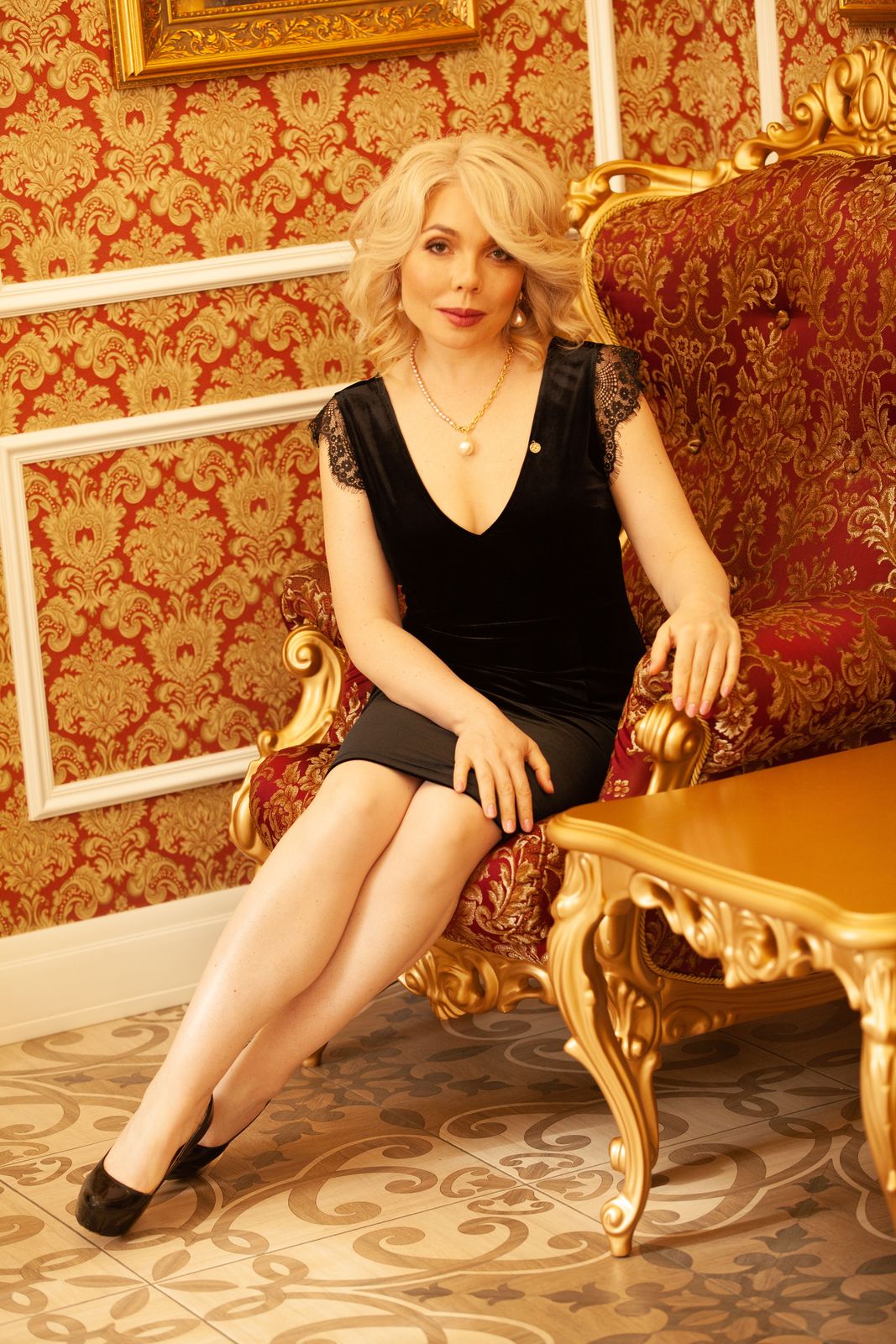
Send the date, the venue and a line about the occasion. I reply personally, with a programme suggestion and a quote.
By Dr. Maria Pisarenko, DMA · concert pianist in Las Vegas · November 2026
“Something by Chopin” is often the whole brief, and it is a good one: he wrote more music that suits a wedding than almost anyone. The prelude — guests arriving, finding seats, talking — is where the nocturnes belong. They are slow, they breathe, and they can be played quietly enough that conversation carries over them.
Nocturnes end quietly, and a quiet ending is hard to hear in a full room. Played live, the prelude simply flows from one piece into the next without a gap, so the music stays continuous until the ceremony is ready to begin.
Chopin’s waltzes are concert waltzes, not dance waltzes, and that decides whether one works as a processional. The Waltz in C-sharp minor, Op. 64 No. 2 has a clear, steady pulse to walk to and an opening a room turns around for. The Waltz in A-flat major, Op. 69 No. 1 is slower and tender, and suits a short walk in a small chapel.
If you want Chopin for the walk itself, say so early. The piece has to be matched to the length of your aisle, and that is a calculation, not a preference.
A signing, a candle, a ring warming or a moment of reflection needs something short that can end the instant the officiant is ready. Chopin’s preludes are made for exactly this.
Later in the day the music can be warmer and more open: the Waltz in A minor, Op. 34 No. 2, the Waltz in B minor, Op. 69 No. 2, the Nocturne in E minor, Op. 72 No. 1 and the mazurkas, with their dance rhythms from Chopin’s Poland. More often Chopin is the centre of a programme that also has Bach, Debussy and Satie around it, because the contrast makes each piece land harder.
A handful of Chopin’s best-known pieces carry associations with occasions that are not weddings, and a couple choosing from a recording has no way to know which. That is the simplest reason to choose the pieces with your pianist rather than sending a playlist: a few minutes of conversation removes the one risk in an otherwise safe composer. One piece of your own choosing is prepared in advance for every booking.
Live, not studio: a 69-second showreel, then full performances. The same hands, the same care for the music, at your Las Vegas event.
Solo recital · Bach, Mozart, Schumann, Liszt, Prokofiev, Gershwin
Chopin — Piano Sonata No. 2, Op. 35 · live
Mozart — Piano Concerto No. 21, K. 467 · live with orchestra
My training is the Moscow Conservatory school — the Central Music School and the Gnesins Academy — and a Doctor of Musical Arts from UNLV; I am a prizewinner of the Frédéric Chopin International Competition in Rome. Press and letters are collected on one page.
A good acoustic piano is the ideal setting for this music, and Chopin rewards one more than most: the pedal and the quietest dynamics are much of what the music is made of. Many Las Vegas chapels, churches, hotels and homes already have an instrument; the first question worth asking your venue is what is in the room and when it was last tuned.
Where live piano helps at a Las Vegas conference — the registration hour, the breaks, the reception and the awards dinner — and what a planner needs to confirm. Read →
How live piano is planned into a proposal in Las Vegas — the cue, the one piece, the timing, and what to arrange with the venue beforehand. Read →
How live piano works at an anniversary or milestone birthday at home in Las Vegas: where the music sits in the evening, how long, and what to ask the room. Read →
Send the date and the venue and I will come back to you with a programme suggestion and a quote.